How Septic Services Keep Your Drain Field Performing Well

A septic system can work quietly for decades, then fail in a season if the drain field is neglected. That is what surprises many property owners. They picture the tank as the heart of the system, and in one sense it is. But the drain field is where the real long-term success or failure shows up. Once that area stops accepting and treating wastewater properly, the entire system begins to struggle. Toilets may still flush for a while, but the warning signs start to appear: soggy ground, slow drains, odors after rain, or wastewater backing up where it should not.
Professional septic services play a direct role in preventing that outcome. Good service is not limited to pumping a tank when it gets full. It includes inspection, diagnosis, https://caidenyowg271.almoheet-travel.com/what-sets-professional-septic-services-apart-from-diy-fixes maintenance planning, and practical advice that protects the drain field from gradual damage. In the field, the difference between a system that lasts 30 years and one that needs major work in 12 often comes down to habits, timing, and whether anyone caught the early problems.
Understanding how septic services support drain field performance helps homeowners make better decisions, especially if they live in a rural area, own an older property, or recently bought a home with a private septic system.
The drain field does more than most people realize
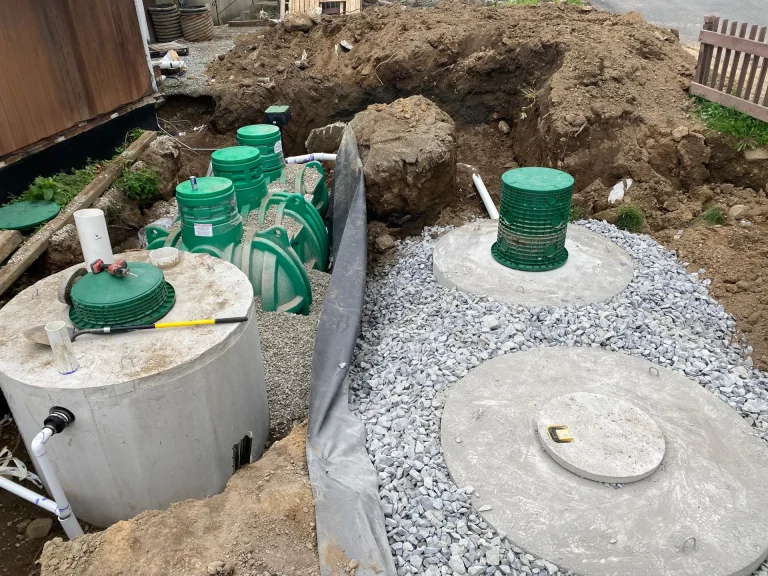
A drain field, sometimes called a leach field, disperses partially treated wastewater from the septic tank into the soil. That sounds simple, but a lot has to go right for it to work well. Effluent leaves the tank and moves through perforated pipes or chambers laid in gravel or another approved medium. From there, the surrounding soil filters and treats what remains. Bacteria in the soil help break down contaminants. The soil also removes pathogens and nutrients over time, provided the system is not overloaded.
When a drain field is healthy, water moves through it at a manageable pace. The soil remains porous enough to accept effluent, and the biomat, the thin biological layer that naturally forms where effluent meets soil, stays in balance. That biomat is normal and even helpful in moderation. Trouble starts when solids escape the tank, grease builds up, or the field receives more water than it can absorb. Then the biomat thickens too much, the soil clogs, and ponding begins.
A homeowner usually notices the symptoms long after the actual damage has started. That delay is one reason septic services matter so much. Routine maintenance catches the causes before the field shows visible distress.
Why the septic tank and drain field are inseparable
People often separate tank maintenance from drain field health, but on a working system they are linked. The tank’s main job is to hold wastewater long enough for solids to settle and scum to float. That separation protects the drain field from material it cannot handle.
If the tank is not pumped at the right interval, solids rise high enough to leave with the effluent. Once that happens, the drain field starts receiving particles that should never reach it. Soil pores clog. Distribution becomes uneven. Parts of the field go anaerobic and stay wet. The field that once handled daily household flow with no trouble begins to fail slowly.
This is why pumping is not just about avoiding a backup in the house. It is one of the most important forms of drain field protection. A service technician who checks sludge and scum levels can tell whether the tank is still doing its job. In many homes, pumping every three to five years is a reasonable starting point, but that interval can vary widely. A two-person household with conservative water use may go longer. A home with six occupants, frequent laundry, and a garbage disposal may need service sooner. The right schedule depends on size, use, and what enters the system.
What septic services actually do for the field
The best septic services take a system-level view. They look beyond the tank lid and ask how wastewater is moving from the home to the tank and from the tank to the drain field. They check for early signs that the field is under stress, even if the owner has not noticed any symptoms yet.
A thorough visit often includes more than pumping. A technician may inspect baffles, measure sludge depth, check effluent filters, observe water levels in the tank, and look for signs of hydraulic overload. On some systems, they may inspect a distribution box to see whether flow is reaching the field evenly. If one line is taking most of the water while others remain underused, the field can wear unevenly. That kind of imbalance does not fix itself.
In practice, experienced technicians also notice small clues that are easy to miss. Grass greener than the rest of the yard above one section of the field. Soft spots after a normal week of water use. Odors strongest in one corner. A tank level that sits unusually high after the house has been idle. None of these alone tells the whole story, but together they help identify a problem before excavation becomes the only answer.
Pumping on time protects the soil
Among all routine septic services, pumping has the clearest connection to drain field longevity. When solids remain in the tank too long, the system loses its first line of defense. Once those solids migrate into the field, the damage can be stubborn and expensive.
A clogged drain field is not always recoverable. Sometimes rest periods, jetting, or targeted rehabilitation can restore some function, depending on the design and degree of failure. In other cases, the soil has become so sealed off that replacement is the only realistic path. That is a major cost, and it often involves permits, site evaluation, and disruption to landscaping.
The price of pumping every few years is modest by comparison. More important, it is preventive. It keeps solids where they belong and reduces the organic loading that shortens field life. Homeowners sometimes postpone pumping because the system seems fine. That is a risky benchmark. Septic systems usually appear fine right up until they are not.
Effluent filters, baffles, and the small parts that matter
Some of the most valuable septic services involve parts of the system that homeowners rarely think about. Effluent filters, when installed, catch suspended solids before wastewater leaves the tank for the field. They need periodic cleaning. A neglected filter can clog and cause slow drainage in the house, but a missing or damaged filter allows more solids to reach the drain field. Neither outcome is desirable.
Baffles also matter. The inlet baffle helps direct incoming wastewater downward. The outlet baffle keeps floating scum and settled solids from exiting the tank. If an outlet baffle deteriorates, especially in an older concrete tank, the field may be exposed to material it was never designed to receive. I have seen systems where the drain field appeared to fail suddenly, only for inspection to reveal that the real issue started years earlier with a broken outlet component.
This is where professional judgment counts. A quick pump-and-go visit may remove waste, but a more careful service call evaluates whether the tank is still effectively protecting the field.
Water volume is just as important as waste strength
Drain fields fail from overloading in two main ways. One is solids loading, which comes from poor tank maintenance or unsuitable materials entering the system. The other is hydraulic loading, which means too much water arrives too quickly or too often.
Even a perfectly maintained tank cannot protect a field that is constantly saturated by excess flow. Long showers, back-to-back laundry loads, leaking toilets, and dripping fixtures can all push a drain field beyond what the soil can absorb. Heavy rain and roof runoff directed toward the field make things worse by saturating the surrounding ground.
This is another area where septic services provide value beyond pumping. A technician can often recognize when the issue is too much water rather than too much sludge. If the tank level rebounds unusually fast, if the field struggles during wet seasons, or if the household uses far more water than expected for the system size, then the service call becomes a chance to correct patterns before they become structural problems.
A modest plumbing leak can have an outsized effect. A running toilet can send hundreds of gallons a day through a septic system. Over a month, that is enough to keep parts of a field wet continuously. Soil that never gets a break loses its ability to recover.
The damage caused by everyday household habits
Drain fields are resilient, but not indestructible. Many failures begin with habits that seem minor in isolation. Grease poured down the sink, “flushable” wipes, excessive bleach, antimicrobial products used in heavy amounts, coffee grounds, cat litter, paper towels, and food waste from a garbage disposal all increase the burden on the tank and field.
Garbage disposals are a common example. They are convenient, but they add organic solids and can shorten the interval between pumping. In homes with smaller tanks, frequent disposal use often shows up as elevated sludge accumulation. More solids in the tank means a greater chance of carryover to the field if pumping is delayed.
Certain cleaning products raise questions too. Normal household use of standard cleaners usually does not destroy a septic system, but extreme use can upset the biological activity that supports treatment in the tank. The larger issue, in most homes, is not a single bottle of cleaner. It is the combined effect of poor maintenance, high water use, and inappropriate waste entering the system week after week.
The yard above the field needs careful treatment
Drain field performance depends partly on what happens above ground. A healthy field needs unsaturated soil, good oxygen exchange, and protection from compaction. Vehicles, heavy equipment, sheds, and even repeated parking on the area can compress the soil and damage pipes. Compaction reduces the space through which water and air move. Once the soil structure is crushed, treatment performance suffers.
Landscaping choices matter too. Grass is usually a safe cover because it helps manage erosion without sending aggressive roots deep into the system. Trees and large shrubs planted too close can invade pipes or disrupt distribution. Homeowners often discover this after noticing one wet stripe in the yard, only to find a root mass inside a line.
Professional septic services often include practical site advice because many drain field problems are not mechanical at first. They begin as grading issues, runoff problems, or preventable pressure on the soil surface.
Here are several habits that protect a field over the long term:
- Keep vehicles, trailers, and heavy equipment off the drain field area.
- Direct roof gutters, sump discharges, and surface runoff away from the field.
- Spread laundry use through the week instead of doing many loads in one day.
- Avoid flushing wipes, grease, hygiene products, and non-biodegradable materials.
- Schedule septic services on a sensible interval based on household size and system use.
Those steps sound basic because they are basic. They also work. Drain fields tend to do well when the owner avoids repeated stress and corrects small issues early.
How inspections catch trouble before failure becomes obvious
Inspections are often undervalued because they do not feel urgent when everything appears normal. Yet drain field problems develop gradually, and that slow pace makes inspections useful. A technician can detect trends, not just immediate defects.
For example, if the outlet filter clogs more quickly than expected each visit, that may suggest increased solids loading or a household use pattern worth addressing. If standing liquid is found above the outlet pipe inside the tank, the field may be accepting water too slowly. If the distribution box is not level, one section of the field may be taking too much flow. If the field area is damp during a dry spell, infiltration may already be failing.
None of these findings automatically means replacement is near. They do mean the system deserves attention. A homeowner who learns about a rising water level or uneven distribution early has options. A homeowner who waits until sewage surfaces in the yard usually has fewer.
Older systems need a different kind of attention
Not every septic system was built to the same standard, and older properties often carry that history. Some have steel tanks that corrode. Some have concrete components with aging baffles. Others have drain fields placed in marginal soils under standards that would not pass today. These systems can still function well, but they need more watchful maintenance.
A service provider who works regularly with older systems understands the weak points. They know when a tank lid needs careful handling, when a distribution box may have settled, or when root intrusion is common for the age and layout of the property. They are also more likely to ask about changes in occupancy or remodeling. A house that once held two people may now host a family of five, and the septic system experiences that shift whether the paperwork ever changes or not.
That practical context matters. Drain field care is not one-size-fits-all. The right service plan for a small seasonal cabin is different from the plan for a full-time home with teenagers, guests, and daily laundry.
Weather, soil, and season all influence performance
Septic systems operate in the real world, not in controlled conditions. Heavy rain, spring thaw, drought, freezing weather, and local soil type all affect how a drain field behaves. Clay-heavy soils drain more slowly than sandy soils. A field on a slope presents different runoff challenges than one on flat ground. A wet year can expose weaknesses that remained hidden during drier seasons.
This is one reason homeowners should not compare their system too casually with a neighbor’s. Two homes on the same road may have very different field performance because their soils, usage patterns, and layouts differ. Professional septic services help interpret those site-specific factors.
I have seen fields that performed acceptably for years, then began ponding only during unusually wet winters. That did not mean the system was healthy the rest of the time. It meant the field had very little reserve capacity, and the wet season finally revealed it. In such cases, reducing water use, correcting drainage around the site, and increasing maintenance attention may buy time. But it is best to recognize the warning for what it is.
When signs of trouble appear, speed matters
Once a drain field starts to struggle, delay usually increases cost. A soft patch in the yard may seem tolerable if the toilets still flush, but by then the soil may already be overloaded. The same goes for recurring odors after showers or laundry days. These are not cosmetic issues. They are indicators that the system is under stress.
Prompt septic services can sometimes prevent a partial problem from becoming a full system failure. The response depends on the cause. If the tank is overdue for pumping and solids have not yet heavily impacted the field, service may restore more normal operation. If the effluent filter is clogged, cleaning it may relieve backup symptoms quickly. If water use is excessive, correcting plumbing leaks and reducing hydraulic load can help the field recover.
But if surfacing sewage is already present or wastewater backs into the home repeatedly, the situation may require repair, redesign, or replacement. The sooner the root cause is identified, the better the chance of limiting damage.
Choosing septic services that truly help the field
Not all service calls offer the same value. Homeowners are best served by providers who explain what they observe, not just what they pumped. Good septic services involve both mechanical work and informed interpretation. A provider should be able to describe the tank condition, whether components are intact, whether the liquid level looked normal, and whether any signs point to drain field stress.
It also helps when the service record is consistent. Over time, repeat visits create a history. That history can reveal whether sludge accumulates faster than expected, whether filter maintenance is becoming more frequent, or whether wet-season issues are worsening year by year.
When evaluating a provider, these qualities usually matter more than the lowest price:
- Willingness to inspect key components, not just empty the tank.
- Clear explanations of findings and realistic maintenance intervals.
- Familiarity with local soils, regulations, and common system types.
- Respect for property conditions, including lid safety and site protection.
- Detailed service records that help track the system over time.
A cheap pump-out with no meaningful inspection may save money that day. It does not necessarily protect the drain field.
A healthy field lasts longer because the whole system is managed well
Drain fields usually do not fail from one dramatic mistake. They fail from accumulation: too many solids, too much water, too much compaction, too little maintenance, too many years of small warnings ignored. That is why septic services matter so much. They interrupt that accumulation.
When the tank is pumped on time, the outlet components are intact, the filter is cleaned, the water use is reasonable, and the field area is protected, the system has a real chance to perform well for many years. Some fields last decades under steady use because the owner respects their limits. Others struggle early because the system is treated as invisible infrastructure that needs attention only when it smells bad.
The drain field rewards consistency. It does not ask for much, just clean effluent, manageable flow, and undisturbed soil. Professional septic services help deliver all three. That makes them one of the best investments a property owner can make in the long life of a septic system.
Excavating New Jersey LLC
Address: 406 County Rd 565, Wantage, NJ 07461
Phone number: +19737914284
FAQ About Septic Services
What is the average cost to get a septic tank emptied?
Emptying a septic tank costs between $290 and $560 on average, with most homeowners paying about $420. Prices vary based on tank size.
What is septic service?
Septic service inspects, pumps, cleans, and maintains a septic tank. A septic tank is a large, underground container that collects and treats wastewater from your home. Over time, sludge, scum, and other debris, like hair and solids, can build up in your tank and clog your drain field.
How often should you have a septic tank serviced?
A standard septic tank should be inspected every 1 to 3 years and pumped every 3 to 5 years. However, the exact schedule depends on your tank's capacity, household size, and daily water usage.